Physical Therapy for Chronic Pain: A Path to Lasting Relief
Emily Herndon, PT, DPT, CLT • October 17, 2025

October 17, 2025

Physical Therapy for Chronic Pain: A Path to Lasting Relief


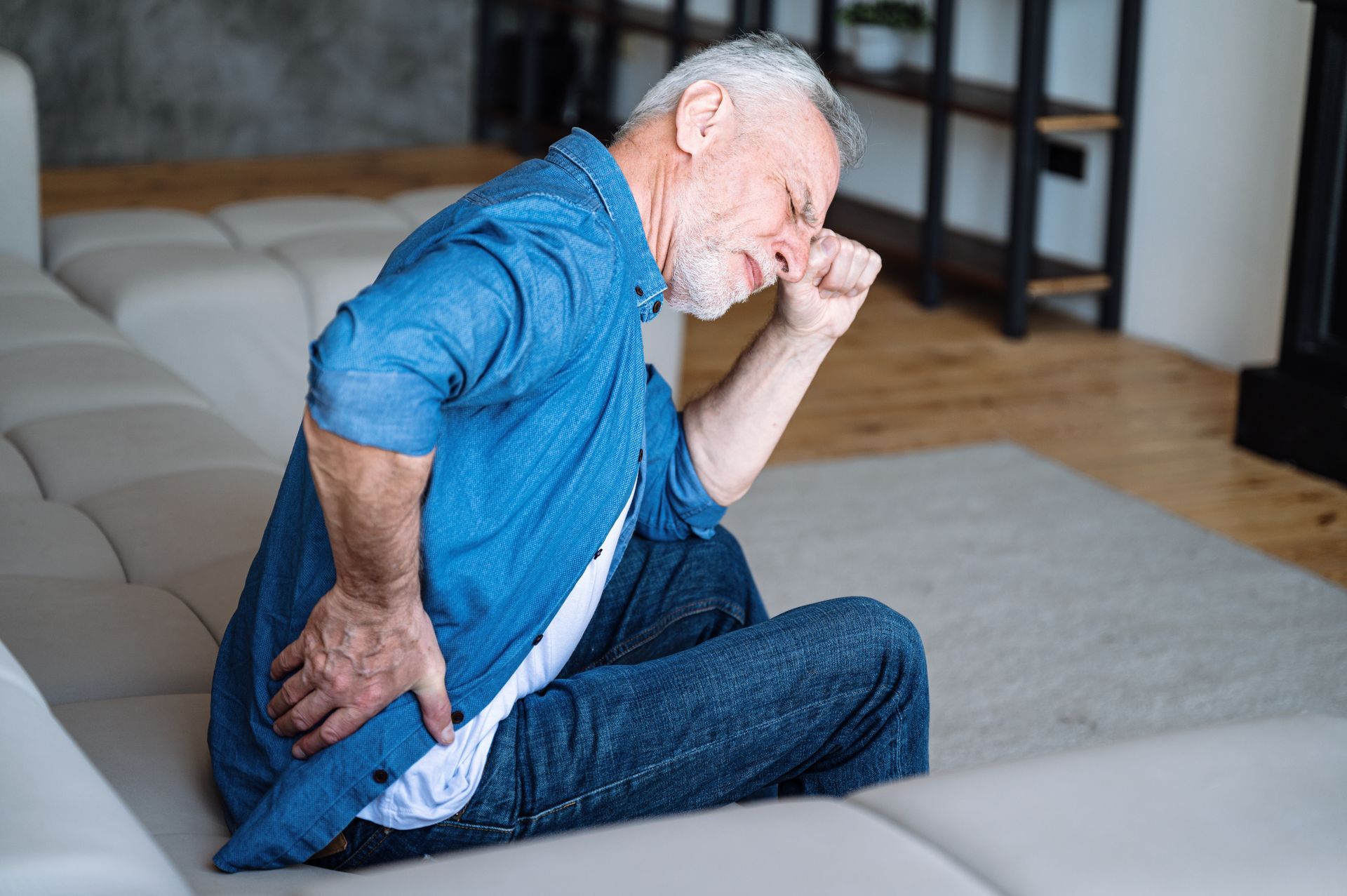
According to recent CDC data, chronic pain now affects nearly 1 in 4 U.S. adults—a number that has steadily risen from 20.4% in 2016 to 24.3% in 2023.


If you’re one of the many dealing with pain that lasts three months or longer, you’re not alone. More importantly, you have options beyond just “getting by” or relying only on short-term fixes.


Why Physical Therapy Works for Chronic Pain

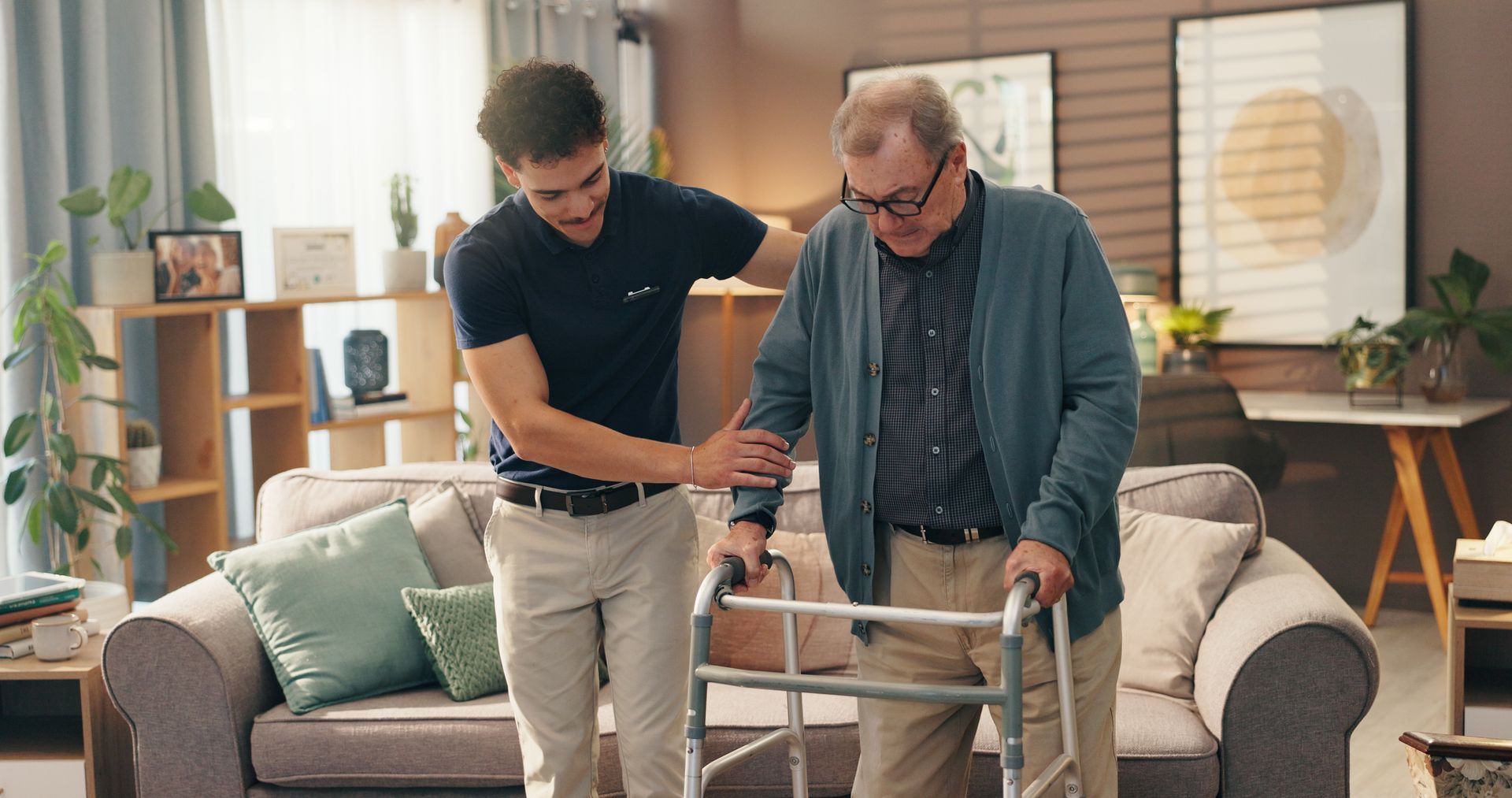
Unlike treatments that only mask symptoms, physical therapy addresses the root causes of pain. Your physical therapist doesn’t just ask “where does it hurt?”—they work with you to understand why it hurts and what can be done to change it.


The PT Advantage: Personalized Care

Every chronic pain journey is unique. That’s why cookie-cutter solutions don’t work. At Plains Physical Therapy, your treatment plan is tailored through a thorough evaluation of your:

  • Movement patterns and posture
  • Muscle strength and flexibility
  • Joint mechanics and stability
  • Daily activities and lifestyle factors

This individualized approach means your plan is built specifically around your body, your needs, and your goals.


A Multi-Pronged Approach

Physical therapy combines proven strategies to help break the chronic pain cycle:

  • Therapeutic Exercise
    Custom-designed exercises strengthen supporting muscles, improve flexibility, and retrain healthy movement patterns. These aren’t one-size-fits-all workouts—they’re carefully chosen to address your pain triggers.
  • Manual Therapy
    Hands-on techniques like joint mobilization, soft tissue massage, and trigger point therapy help ease muscle tension, improve circulation, and provide immediate relief.
  • Education & Self-Management
    Perhaps most importantly, physical therapists teach you how pain works and give you practical tools to manage it. Research shows that simply understanding your pain can actually reduce its intensity—a powerful, science-backed step toward lasting relief.

Beyond Relief: Reclaiming Your Life

The real goal isn’t just less pain—it’s getting you back to doing the things you love.

That might mean:

  • Playing with grandchildren
  • Working in the garden
  • Sleeping through the night
  • Walking, hiking, or enjoying hobbies again

Many patients discover that physical therapy provides relief equal to medication—without the side effects. Even better, the strategies you learn become lifelong tools you can carry forward.


Take the First Step

Schedule an appointment with Plains Physical Therapy and start building your path out of the chronic pain cycle—so you can get back to living the life you want.


Sources:

1.   Chronic Pain Among Adults — United States, 2019–2021 | MMWR (cdc.gov)

2.   The impact of combining pain education strategies with physical therapy interventions for patients with chronic pain: A systematic review and meta-analysis of randomized controlled trials, Physiotherapy Theory and Practice, 37:4, 461-472 DOI: 10.1080/09593985.2019.1633714

3.   Preferred Communication Strategies Used by Physical Therapists in Chronic Pain Rehabilitation: A Qualitative Systematic Review and Meta-Synthesis, Physical Therapy, Volume 102, Issue 9, September 2022, pzac081 Preferred Communication Strategies Used by Physical Therapists in Chronic Pain Rehabilitation: A Qualitative Systematic Review and Meta-Synthesis - PubMed (nih.gov)

4.   The Influence of Cognitive Behavioral Therapy on Pain, Quality of Life, and Depression in Patients Receiving Physical Therapy for Chronic Low Back Pain: A Systematic Review https://onlinelibrary.wiley.com/doi/abs/10.1016/j.pmrj.2018.09.029

5.   https://www.cdc.gov/nchs/products/databriefs/db518.htm


References

1)      Exercise for falls and fracture prevention in long term care facilities: a systematic review and meta-analysis. J Am Med Dir Assoc. 2013;14(9):685-689.e2.https://pubmed.ncbi.nlm.nih.gov/23860265/

2)      Preventing Falls in Older Persons. Am Fam Physician. 2017 Aug 15;96(4):240-247. PMID: 28925664. https://pubmed.ncbi.nlm.nih.gov/28925664/

3)      The Effectiveness of Physical Therapist–Administered Group-Based Exercise on Fall Prevention: A Systematic Review of Randomized Controlled Trials. Journal of Geriatric Physical Therapy 36(4):p 182-193, October/December 2013..       https://journals.lww.com/jgpt/fulltext/2013/10000/the_effectiveness_of_physical.5.aspx?casa_token=r5fLfvxztA0AAAAA:9yaeibFmZiCeIZiQcSOVcbWkWpA_8spTG-bNT2UFa-D2Dc7tljHsv3VW5XfmnvIySLNwrJDd7aqnJTsfdHmRqK8

4)      Exergame technology and interactive interventions for elderly fall prevention: A systematic literature review.       https://www.sciencedirect.com/science/article/abs/pii/S0003687016302265


Articles/Content:

1)      Physical Therapy Guide to Falls.       https://www.choosept.com/guide/physical-therapy-guide-falls

2)      Fall Prevention Starts with a Conversation.       https://www.ncoa.org/article/falls-prevention-conversation-guide-for-caregivers

3)      Balance and Falls.       https://www.apta.org/patient-care/public-health-population-care/balance-and-falls


By Emily Herndon, PT, DPT, CLT April 2, 2026
How Physical Therapy Can Help

By Emily Herndon March 14, 2026
When someone starts physical therapy, they often say their goal is simple: “I just want to get better.” But if you ask ten people what “better” means, you will probably get ten different answers. For one person, recovery might mean running a local 5K again. For another, it might mean gardening without back pain, casting a fishing line at the river, or simply picking up a grandchild without discomfort. At Plains Physical Therapy, we believe physical therapy is about more than just healing an injury. It’s about helping you return to the life and activities that matter most to you. HEALING IS MORE THAN CLINICAL MEASUREMENTS Physical therapists are trained to focus on the clinical side of recovery, including: Reducing inflammation Improving range of motion Building strength and balance Restoring mobility The real goal of physical therapy isn’t just to improve numbers on a chart — it’s to help you return to the activities that define your daily life. YOU ARE THE MOST IMPORTANT MEMBER OF YOUR CARE TEAM Your physical therapist brings clinical expertise. But you are the expert on your life. That’s why the best physical therapy outcomes happen when recovery becomes a partnership between patient and therapist. HOW YOU CAN HELP GUIDE YOUR RECOVERY Identify Your 'North Star' Think about one activity your injury is preventing you from doing. This becomes the guiding goal for your treatment plan. Examples might include hiking, gardening, playing pickleball or golf, sleeping comfortably through the night, or lifting your children or grandchildren. Share the Small Details Sometimes the most helpful information comes from everyday moments — like knee pain when going downstairs, neck stiffness after computer work, or shoulder pain reaching overhead. These details help your therapist design exercises that mimic real-world movements. Write Down Your Goals Before Your Appointment Before your first visit, write down three things you want to do again without pain. Bringing this list to your evaluation helps make therapy a collaborative plan. MOTIVATION MATTERS IN RECOVERY Sticking with a home exercise program can sometimes feel repetitive. But when every exercise connects to a meaningful goal — like returning to the golf course, gardening again, or walking without pain — it becomes much easier to stay motivated. PHYSICAL THERAPY IS A PARTNERSHIP At Plains Physical Therapy, we believe recovery works best when your treatment plan reflects your life, your goals, and your priorities. Your therapy should be as unique as you are. Because getting stronger is great — but getting back to the activities that make life meaningful is even better. Ready to start your recovery?  Contact Plains Physical Therapy to schedule an evaluation and begin a personalized treatment plan designed around the goals that matter most to you.

By Emily Herndon February 15, 2026
How Physical Therapy Protects Your Heart 

Show More →